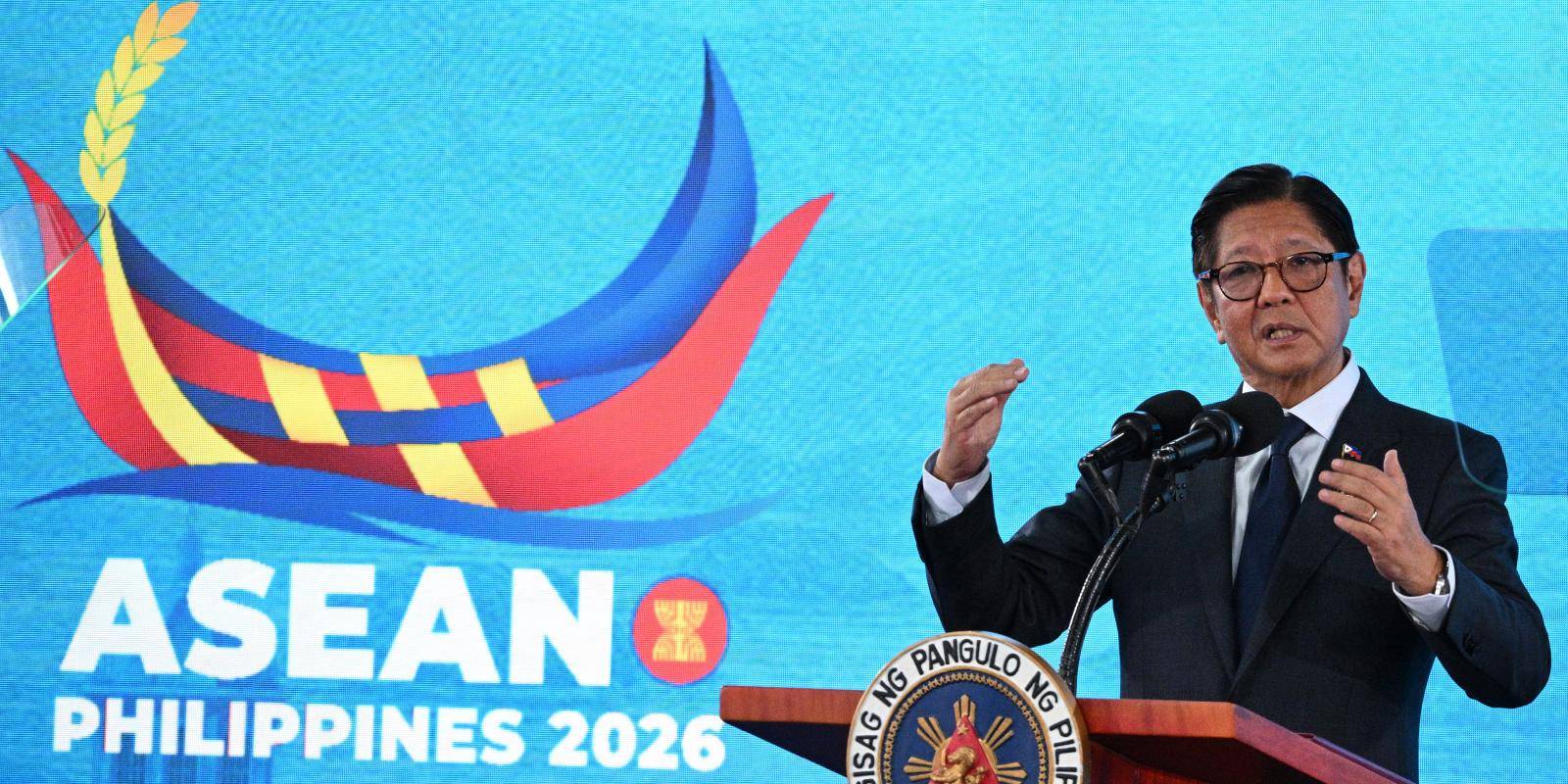
The crisis in the Middle East is being felt deeply in Southeast Asia. Perhaps most of all in the Philippines, which imports 98 per cent of its oil from the Gulf. The choking of global oil trade has led to acute fuel shortages, causing the Philippine government to declare a national emergency. The situation has forced President Ferdinand Marcos Jr to consider all options, even with the most unlikely of partners – China.
Chaos opens door to dialogue
Relations between the two countries have been under significant strain over territorial disputes in the South China Sea. But faced with an angry population, a spiralling economy, and inflation at 7.2 per cent in April, President Marcos stated he was looking to ‘reset’ relations with China and reopen conversations on joint oil and gas exploration in the South China Sea. Despite their fraught history, this was welcomed by Beijing and talks were held immediately thereafter. While nothing concrete was agreed, the dialogue alone was a significant change. The Philippines is open to further talks but has made it clear that any agreement would only come after tangible commitments to the United Nations Convention on the Law of the Sea (UNCLOS) and signing a South China Sea Code of Conduct (CoC). Related workWhat lessons will China, India and other Asian nations draw from the Iran war? Independent Thinking Podcast
While analysts have rightly urged caution in creating such an entanglement of interests in disputed waters, if played correctly, this could be a unique opportunity for Marcos to move closer to one of his biggest and most ambitious goals – a South China Sea CoC.
The maritime security puzzle at the heart of the Strait of Hormuz is a stark reminder for Manila of the urgent need for order in their waters and the enforcement of international law. A blockade in the Strait of Hormuz threw global markets into chaos because 20 per cent of the world’s oil supply passes through its waters. By contrast, 60 per cent of all global trade runs through the South China Sea. The consequences of disruption in the region are difficult even to imagine.
The Philippines is well-placed to lead on efforts to secure agreement. It has been carving out a space as more than just a pawn in the great power competition dominating the Pacific, while its alliance with the US continues to grow stronger. The Philippines is also the current chair of ASEAN so able to build regional consensus. Last week the Philippines hosted the 48th ASEAN summit in Cebu, a shortened and ‘bare-bones’ affair as a result of the regional energy crisis. Iran was top of the agenda, with all 11 ASEAN nations focused on shoring up energy and food security through greater regional integration.
But discussions of security did not fall by the wayside. Rather, there was a renewed commitment to peace and international law in the South China Sea. The Asean Leaders’ Declaration on Maritime Cooperation was adopted during the summit, announcing the founding of a maritime centre in the Philippines to act as a repository for issues relating to maritime security in the South China Sea. Marcos further clarified that its purpose would be to ensure freedom of navigation and enforcement of UNCLOS. Appetite for a CoC agreement also seems high in Beijing after the summit, with a Chinese foreign ministry spokesperson encouraging ASEAN to resist disruption to a deal, stating that it would allow all parties to ‘better manage differences, advance cooperation, and keep the South China Sea peaceful and stable’.
Conditions are favourable but caution is key
Joint oil exploration in the South China Sea is a valuable incentive to encourage a favourable outcome in CoC negotiations, not least because it aligns with Chinese policy values laid out under former leader Deng Xiaoping. As a route to peaceful settlement of territorial disputes, he encouraged the pursuit of joint development and shared economic interests. In this case, China would have access to South China Sea oil and natural gas reserves to the tune of billions, without violating international law and drawing ire from the US and other allies. Additionally, encroaching on disputed waters is taking significant resources on China’s part. Related workA Taiwan crisis would cause far more global economic damage than Strait of Hormuz disruption
But although conditions for dialogue are growing more favourable, Manila must be cautious, ensuring it secures its own interests and has the support of neighbours and allies.
Indeed, the Philippine’s largest and strongest ally, the US, might just approve of plans to use joint oil exploration projects to secure a CoC. Over the past four years, the US has made significant investments in miliary infrastructure on the Philippine islands, and just last month successfully ran their largest joint military drill. Washington has reaffirmed its commitment to the Philippines in securing its territorial sovereignty, and is well-placed to help ensure the implementation of and adherence to a CoC in the region. With President Trump’s self-proclaimed talent for brokering peace, facilitating a South China Sea CoC between China and ASEAN would be a jewel in his cap.
President Marcos has also indicated there is regional buy-in and support. Last week, when asked if ASEAN economic cooperation in the face of the Iran war would extend to China, Marcos made clear that a CoC would have to come before any other conversations.
The art of the deal
This channel of dialogue between the Philippines and China would have been inconceivable only months ago, but the Iran war has changed things – and may have handed Marcos the key to securing a CoC.
The perennial stumbling block will be follow-through. While there is reason for optimism, the devil will be in the details.